Home chevron_right Products chevron_right Bitumen Emulsion chevron_right Cold Mix Asphalt Plant
Cold Mix Asphalt Plant
COLD MIX TECHNOLOGY

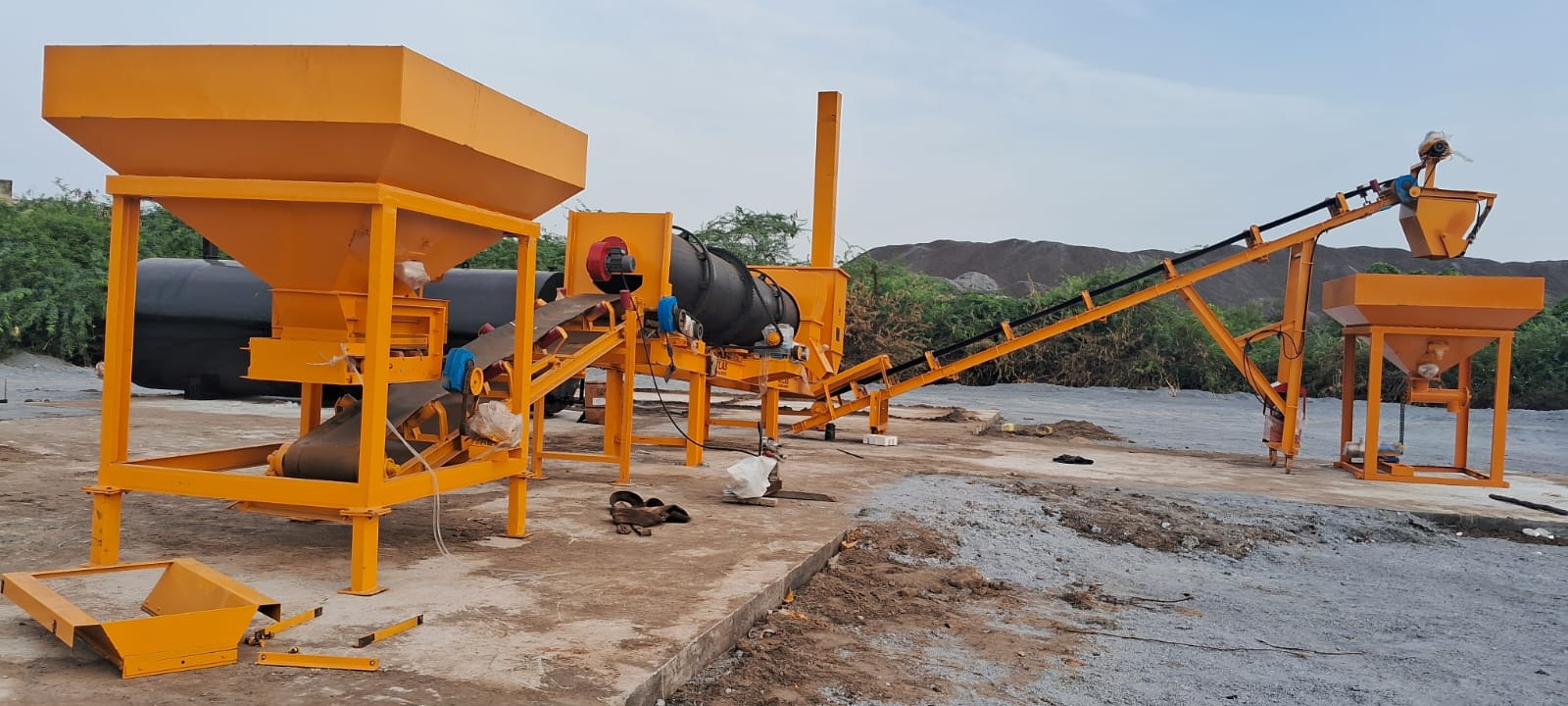
Cold Mix Asphalt Plant

A compact and efficient plant designed for producing emulsion‑based cold asphalt mixes without conventional aggregate heating. Ideal for monsoon pothole repair, emergency road maintenance, patch repair, rural roads, premix carpet, bituminous macadam and other pavement maintenance applications. The plant provides controlled aggregate, water and bitumen‑emulsion dosing with uniform mixing for reliable cold‑mix production. Indian road guidance specifically identifies cold‑emulsion technology for pothole filling and patch repairs.

verified ISO 9001:2015 eco No Heating Required history 15+ Year Lifespan public Exported to 25 Countries

CAPACITY

10–60 TPH

EMULSION TYPE

RS / MS / SS

POWER

20–75 kW

support_agent Need a custom capacity or mobile configuration? Talk to our engineers →
Overview
Technical Specifications
Mix Types & Grades
Features & Benefits
Applications
Bag Filling Machine
FAQs

Eco‑Friendly Cold Mix Asphalt Production

The Atlas Cold Mix Asphalt Plant is an innovative, energy‑efficient solution for producing high‑quality cold mix asphalt using bitumen emulsion technology. Unlike traditional hot mix plants, the cold mix process does not require heating of aggregates or bitumen, resulting in significant energy savings and drastically reduced carbon emissions. It is particularly useful for road maintenance, pothole patching and monsoon repair work, because the material can be produced and laid without a conventional hot‑mix plant.

settings Main Equipment

Equipment Function
Aggregate Feeder Controls aggregate quantity
Bitumen Emulsion Tank Stores cationic/other approved emulsion
Emulsion Pump & Dosing System Precisely doses binder
Cold Mixing Unit Uniformly coats aggregate with emulsion
Finished Mix Hopper Temporary storage of prepared cold mix
Control Panel Controls feeding, water and emulsion dosing
Conveyor Transfers finished mix to truck/bagging system

flowchart Typical Cold‑Mix Production Process

  • Aggregate is screened and proportioned.
  • Controlled water is added for pre‑wetting.
  • Bitumen emulsion is accurately dosed.
  • Aggregates and emulsion are mixed until uniform coating is achieved.
  • The finished material is transported to the repair location.
  • The pothole is cleaned and prepared, the cold mix is placed and compacted.
  • The emulsion breaks and the mix gains strength during curing.

For emulsion‑based cold mixes, aggregate gradation, emulsion type, moisture content and curing conditions are critical. PMGSY documentation notes that cold‑mix production is preferably carried out close to the laying location because the mixed material can have limited transportability.

check_circle Major Advantages

  • No conventional hot‑mix heating required
  • Useful when hot‑mix plants are unavailable
  • Suitable for monsoon/emergency pothole repair
  • Lower fuel consumption than conventional hot‑mix production
  • Can be produced close to the repair location
  • Suitable for rural and remote roads
  • Lower‑temperature production reduces heating‑related emissions

IRC/PMGSY material specifically identifies cold‑emulsion technology as advantageous where heating bitumen and aggregate to specified temperatures is difficult, particularly for maintenance work such as pothole filling and patch repairs.

construction Best Configuration for Monsoon Pothole Repair

For a plant specifically intended for monsoon pothole repair, a practical configuration includes:

  • Mobile or stationary operation – depending on whether repair teams need to move between multiple locations.
  • Quick‑connect emulsion and water lines for rapid setup.
  • Compact skid design for easy transport.

inventory_2 Quick Facts

BrandAtlas Engineering
OriginAhmedabad, India
Warranty18 Months
Delivery6–8 Weeks
Emulsion TypesRS / MS / SS
ComplianceIS 8887, ASTM D977, MoRTH
SpecificationDetails
Capacity10 TPH / 20 TPH / 40 TPH / 60 TPH
Mix TypeContinuous cold mix asphalt (emulsion‑based)
Aggregate Bins2–4 bins (customizable), each 5–15 m³
Mixing UnitTwin‑shaft pugmill with adjustable speed
Emulsion DosingPLC‑controlled pump with flow meter
Power Requirement20–75 kW (model dependent)
Water AdditionVariable‑speed pump, PLC controlled
Control SystemPLC + HMI Touchscreen
Emulsion CompatibilityRS / MS / SS cationic and anionic
ComplianceIS 8887, ASTM D977, MoRTH
FootprintApprox. 30 ft x 20 ft
Net Weight8,000–18,000 kg (model dependent)

Cold Mix Types & Applications

There is not one universal set of "cold asphalt grades" equivalent to VG‑30/VG‑40. The mix is normally selected according to aggregate gradation, emulsion grade, traffic, layer and application. Indian guidance describes different emulsion types for different cold‑mix applications.

Cold Mix Type Typical Binder/Emulsion Main Application
Pothole Repair Mix Medium‑setting / suitable cationic emulsion Monsoon pothole filling, emergency road repairs
Patch Repair Mix Medium‑setting emulsion Localized pavement patching
Cold Mix BM Slow‑setting emulsion Bituminous Macadam/base and binder layers
Cold Mix SDBC Suitable cationic emulsion Surface/binder course applications
Cold Mix MSS Medium/slow‑setting emulsion Mix Seal Surfacing
Slurry/Cold Slurry Mix Slow‑setting emulsion Surface maintenance and sealing
Cold Mix for Rural Roads Emulsion‑based binder Rural‑road construction and maintenance
Stockpile Cold Mix Formulated emulsion Material that can be stored for later patch repair, subject to formulation

Emulsion Grades Commonly Used

For a cold‑mix plant, the emulsion grade should be selected according to the specific mix design and application, rather than treating RS/MS/SS grades as interchangeable.

RS‑1 – Rapid Setting

Commonly associated with tack‑coat applications.

RS‑2 – Rapid Setting

Commonly used for surface dressing.

MS – Medium Setting

Commonly used for premix carpet and patch repair.

SS‑1 – Slow Setting

Commonly used for priming.

SS‑2 – Slow Setting

Used for several cold‑mix applications including BM, SDAC, BC, MSS and slurry seal, depending on the approved specification/mix design.

eco

Energy Efficient

No heating of aggregates or bitumen—operates at ambient temperature, saving up to 80% energy compared to hot mix plants.

precision_manufacturing

Precision Emulsion Dosing

PLC‑controlled pump with high‑accuracy flow meter ensures consistent emulsion content for uniform mix quality.

memory

Atlas Direct IoT Ready

Optional remote monitoring for production tracking, emulsion consumption, and plant performance.

build

Low Maintenance

Simple design with easy‑access panels and wear‑resistant components reduces downtime and service costs.

move_down

Mobile / Skid‑Mounted

Quick relocation between project sites—ideal for rural roads, patchwork, and remote infrastructure projects.

support_agent

24/7 Technical Support

On‑site commissioning, training, and spare parts support across 25 countries.

rainy

Monsoon Pothole Repair

Emergency road repairs during monsoon seasons when hot mix plants are unavailable or difficult to operate.

route

Rural & Village Roads

Cost‑effective cold mix production for PMGSY and rural road connectivity projects where hot mix plants are not viable.

construction

Road Patching & Maintenance

On‑demand production of cold mix for pothole repairs, surface patching, and road maintenance operations.

forest

Hill & Remote Area Projects

Ideal for challenging terrains where transporting hot mix is impractical—produces mix on‑site at ambient temperature.

warehouse

Stockpile Production

Produce cold mix in bulk for stockpiling and later use—does not require heated storage or transport.

layers

Premix Carpet & Bituminous Macadam

Production of base and binder layers using slow‑setting emulsions for durable pavement structures.

Asphalt Cold Mix Material Bag Filling Machine

An Asphalt Cold Mix Bag Filling Machine is a heavy-duty packaging system specifically designed to handle sticky, cohesive, and abrasive cold-mix asphalt materials. Unlike free-flowing materials, cold mix asphalt requires specialized feeding mechanisms to prevent clogging and to accurately pack the material into bags (typically 25 kg to 50 kg) for retail or road repair use.

settings Core Technical Specifications

Parameter Standard Specifications
Material Handled Asphalt Cold Mix, Cold Patch, Bituminous Cold Mix
Filling Range 10 kg to 50 kg per bag
Production Speed 1 to 2 bags per minute (Semi‑automatic)
Filling Accuracy ± 0.5% to 1% of target weight
Weighing Principle Gross/Net electronic load cell weighing
Power Supply 3‑Phase, 380V/415V, 50Hz/60Hz
Air Consumption 5–6 bar (for pneumatic gates and clamps)

precision_manufacturing Key Mechanical & Design Features

  • check_circle
    Anti-Sticking Feed Mechanism: Uses a heavy-duty screw feeder or a wide-throat vibratory tray rather than a gravity drop. This prevents the sticky, oily aggregate from bridging or clogging the feed hopper.
  • check_circle
    Pneumatic Bag Clamping: Heavy-duty, dust-tight bag holders grip the bag tightly during filling. This ensures no material spills and can support the heavy weight of the aggregate.
  • check_circle
    Wear-Resistant Contact Parts: All parts in direct contact with the abrasive asphalt (aggregate sizes up to 10mm–15mm) are made of reinforced carbon steel or heavy-grade SUS304/316 stainless steel to prevent premature wear.
  • check_circle
    Adjustable Bag Conveyor & Sealer: Filled bags drop onto a motorized slat or heavy-duty belt conveyor. They move automatically toward a heavy-duty industrial sewing machine or a heat sealer (depending on whether woven PP or plastic bags are used).

flowchart Operational Workflow (Semi‑Automatic)

  1. Bag Placement: The operator manually places an empty bag onto the clamping mouth.
  2. Auto-Clamp & Weigh: A sensor detects the bag, clamps it, and tares the weight.
  3. Bulk and Fine Feed: The belt/vibratory feeder runs fast for bulk filling (90% weight), then slows down for precise fine feeding to reach the exact target weight.
  4. Release & Seal: The clamp opens automatically, dropping the bag onto the conveyor, which transports it through the stitching or sealing station.

inventory Bag Material Compatibility

  • Heavy‑Duty PE/Plastic Bags: Best for long‑term storage as they retain the moisture/solvent oils that keep the cold mix workable.
  • Laminated Woven PP Bags: Highly durable for rough handling and transit, though often paired with an inner plastic liner to prevent oil seepage.

inventory_2 Quick Facts

MaterialCold Mix Asphalt
Filling Range10–50 kg
Speed1–2 bags/min
Accuracy±0.5–1%
WeighingLoad cell
Bag TypesPE/Plastic or Woven PP
What emulsion grades can this plant use?expand_more

The plant is compatible with RS (Rapid Setting), MS (Medium Setting), and SS (Slow Setting) cationic and anionic emulsions. The dosing system is configurable for each grade.

What is the typical emulsion content in the mix?expand_more

Emulsion content typically ranges from 4% to 8% by weight of aggregates, depending on the aggregate type, desired mix properties, and project specifications.

Can the plant produce cold mix for immediate use?expand_more

Yes, cold mix asphalt produced by this plant can be used immediately after mixing. It can also be stockpiled for up to 3–4 weeks with proper storage conditions.

Is the plant suitable for mobile operations?expand_more

Yes, the plant is available in skid‑mounted and mobile configurations for quick relocation and setup at different project sites.

Which cold mix types can this plant produce?expand_more

The plant can produce pothole repair mix, patch repair mix, cold mix BM, cold mix SDBC, cold mix MSS, slurry seal mix, rural road cold mix, and stockpile cold mix – covering the full range of emulsion‑based cold asphalt applications.

Is the plant suitable for monsoon pothole repair?expand_more

Yes, the plant is specifically designed for monsoon pothole repair work. It can be configured for mobile operation and uses medium‑setting emulsions that work effectively in wet conditions.

Related Products

Need a cold mix solution?

Get a tailored quote for your capacity, mobility, and project requirements.

Request a Quote arrow_forward
chat
payments Request Quote
headset_mic Live Chat